
 |
|
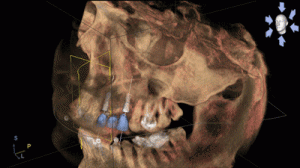 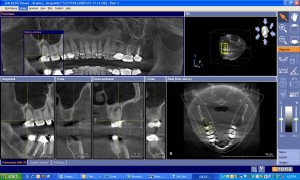 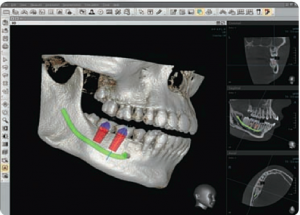 |
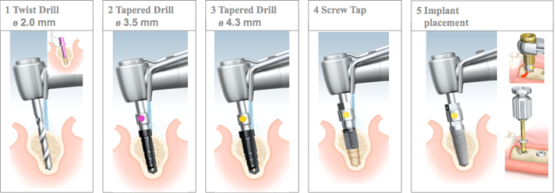
Advanced Implant Procedures: Bone Grafting and Sinus LiftsMost dental implants are straightforward to insert surgically but quite often there are patients with inadequate bone. To ensure a successful outcome, adequate planning with the help of special imaging becomes very important. In our clinic, we use the cone beam CT scan to plan the position of the dental implant. Important anatomical structures such as the inferior dental nerve responsible for lip sensation is accurately visualised with the scanner and the precise length and position of the implant can be planned to avoid damaging the nerve. In the upper jaw, the amount of bone can be assessed adequately to determine if a sinus lift and grafting is essential or locate positions whereby grafting can be avoided and yet provide enough bone volume for the implant In difficult cases, bone augmentation such as bone grafting or sinus lifts may be needed. Such procedures are best performed by the specialist oral & maxillofacial surgeon as not all bone grafting procedures can be successful. Ideal placement of the implant or even a short implant can sometimes be done without doing bone grafting or sinus surgery. Surgical expertise of the specialist surgeon becomes very important. Gingival grafts may be needed to optimise aesthetic and functional outcome for the final restoration. Most of the bone loss occurs during the first 3 months after extraction and the specialist surgeon can utilise ridge preservation techniques such as insertion of a bioscaffold to minimise resorption of bone and avoid major reconstructive procedures with bone grafting and sinus lifts or gum surgery. See Bioscaffolding for bone preservation. |
Talk to our friendly staff for questions and enquiries regarding our services
Contact Us Now
Dr Victor Fan
MB BCH; BAO (UK)
BDS (Singapore)
FDSRCS (England)
FRCS (England)
FRCS (Intercollegiate)
FAMS
FICS
6 Napier Road
#07-03 Gleneagles Medical Centre
Singapore 258499
Phone:
+65 64722982
Fax:
+65 64722782